
How People Actually Search Online Now (And It's Not Just Google vs ChatGPT)
Ryan Ellis
Updated Mar 10, 2026
The conversation about where people search online usually reduces to a binary: Is it Google, or is it ChatGPT? That framing misses the actual story. People search everywhere, and where they search depends on their age, what they’re looking for, and which tool they trust.
According to Pew Research Center data from February 2026, the real picture is far more nuanced. Sixty-four percent of US teens aged 13-17 have used AI chatbots, with 28% using them daily. But that doesn’t mean they’ve abandoned traditional search. Most people use both.
The January 2026 SparkToro/Datos analysis-“Search Happens Everywhere”-examined search behavior across 41 major websites. Instead of asking which platform is winning, the research asked the more useful question: where do people actually conduct searches? The answer reveals a landscape far more diverse than the headlines suggest.
Younger Users Are Expanding Their Search Habits
The generational divide is real. According to Pew Research, nearly 60% of adults under 30 have used ChatGPT. Among adults 30 and older, usage drops significantly. For teens aged 15-17, AI chatbot awareness is nearly universal-95% have at least heard of them-and 64% have actually used them.
But this doesn’t mean older users have abandoned the internet. Google still commands approximately 73.7% of desktop searches. SparkToro/Datos research found that Amazon, YouTube, and Bing each outpace ChatGPT in raw search activity across platforms.
ChatGPT Serves a Different Type of Search
ChatGPT’s dominance exists in a specific category: conversational, open-ended queries where people want synthesis and explanation rather than a ranked list of links.
The more important insight: people who adopt ChatGPT don’t stop using Google. They expand their search toolkit. A single research session might include a Google search for current information, a ChatGPT prompt for explanation or brainstorming, and Reddit or YouTube for specific use cases.
The Harvard/NBER analysis of how people use ChatGPT found that usage breaks into clear intent categories. “Asking” (49% of conversations) covers general knowledge questions and advice-seeking. “Doing” (40%) encompasses task-oriented work. The remaining 11% is “Expressing”-personal reflection and exploration.
Different Platforms Solve Different Problems
People choose ChatGPT for these use cases because the tool format-a conversation with a knowledgeable system-matches their intent better than a ranked list of links. They choose Google for navigational queries, shopping, local search, and real-time information where the web’s diversity and freshness matter.
This isn’t binary. It’s complementary.
For most people, the question isn’t which platform to choose. It’s understanding that different tools are better for different questions. If you want to understand how something works, ChatGPT excels. If you want current information, the latest reviews, or local options, Google remains stronger.
Search Behavior Is Becoming More Fragmented
The split in search behavior reflects a healthy ecosystem where different tools serve different purposes. The binary framing-Google versus ChatGPT-obscures the actual behavior: people are using more tools, not choosing one over another.
Instead of replacing traditional search, AI tools are becoming one part of a broader digital research habit that now stretches across search engines, video platforms, forums, marketplaces, and conversational systems.
References: Gen Z Ai Chatbots Pew Research 2026 | Where People Search Online 2026

AI-Assisted Content
The News And Beyond team was assisted by generative AI technology in creating this content.
Trending
The Walking Habit Physical Therapists Recommend Most
Why Walking Matters More Than Other Exercise Physical therapists and gerontologists consistently recommend the same...
Susan Blake

These Cash Back Cards are Turning Heads
Sponsored

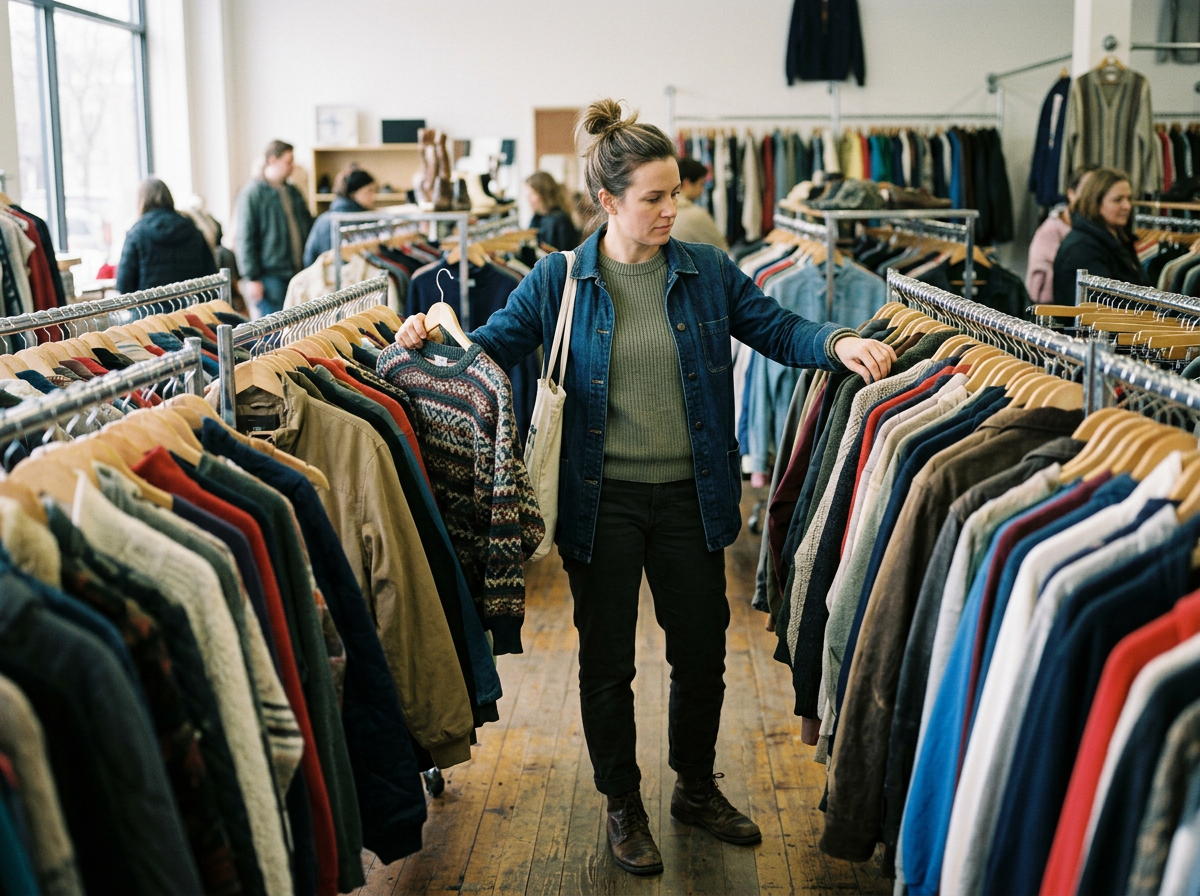
Why Nearly 60% of Americans Are Buying Secondhand Clothes
A Behavioral Shift in Apparel Spending The secondhand clothing market is growing twice as fast...
Laura Bennett
These 10 Money Moves Could Save Seniors Hundreds
Sponsored

How Tariff Costs Are Starting to Hit Grocery Prices
For much of 2025, American businesses quietly absorbed the cost of new import tariffs rather...
Thomas Hale
Medicare Drug Deals Are Saving Some Seniors Real Money
For the first time in the history of the Medicare program, the federal government negotiated...
Erin Calloway

The Hidden Drain on Your Bank Account
Sponsored

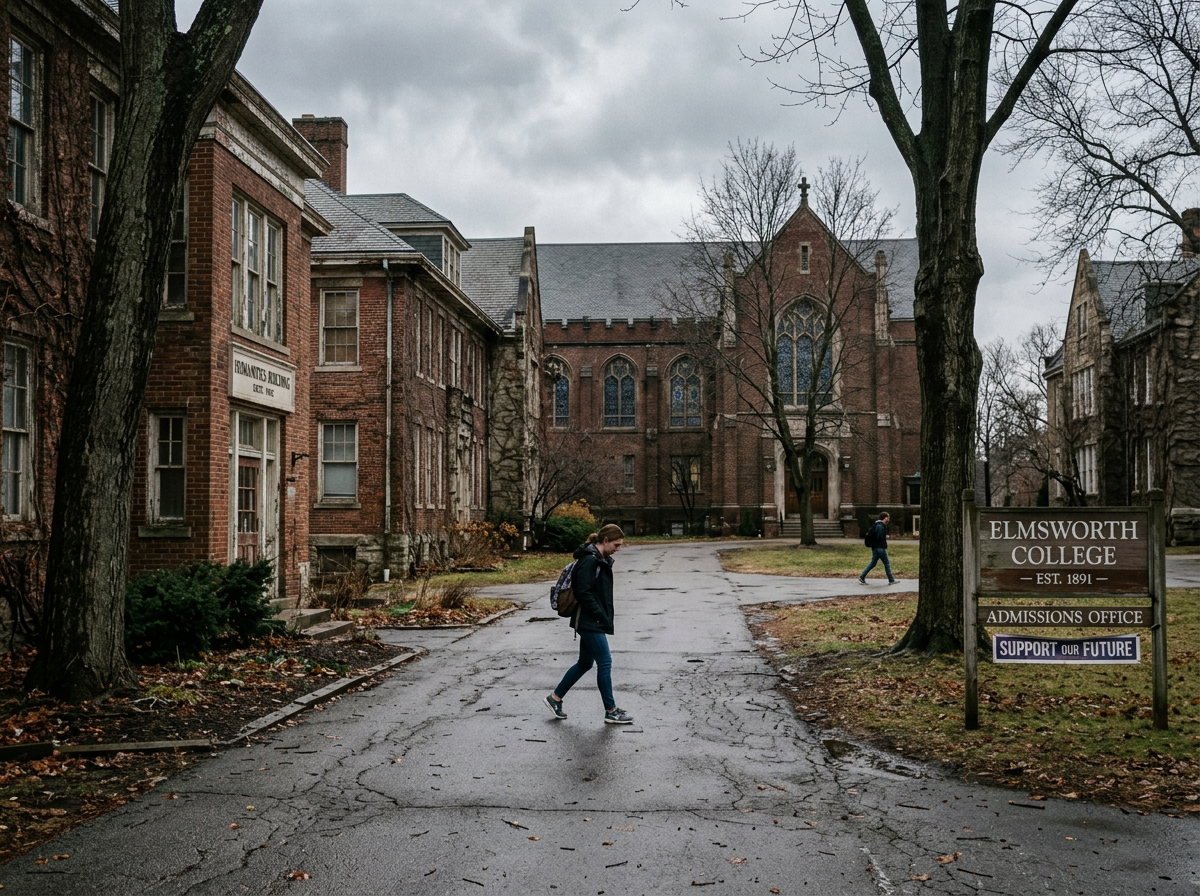
Why Some Private Colleges Are Now Facing Closure Risk
Colleges and universities have weathered enrollment fluctuations, budget pressures, and demographic shifts before. What higher...
Erin Calloway
Federal Funding Fight Is Testing Higher Ed's Stability
American universities have operated with federal research grants, international student enrollment, and general political stability...
Erin Calloway
Why Americans Are Rethinking Subscription Spending Strategically
Strategic Subscription Management A 2026 analysis from Cord Cutter Weekly found households can save an...
Laura Bennett
Why Americans Are Rethinking Retirement Timelines in 2026
The concept of a planned retirement at a fixed age is shifting. Not abruptly, and...
Thomas Hale

How Medicaid Changes Are Reshaping State Budgets
When federal Medicaid funding decreases, states face a decision that has no clean answer: absorb...
Erin Calloway
How to Spot Early Changes in Aging Parents' Daily Routines
The Value of Noticing Early Early detection of changes in an aging parent's daily routine...
Susan Blake

Why AI Summaries Are Killing Website Traffic (What Pew Research Found)
You search for a question on Google. At the top of the results, a summary...
Alex Mercer
How Drug Prices Are Sending Mixed Signals in 2026
The prescription drug cost story in 2026 is not a single headline. It is two...
Thomas Hale

Immigration Enforcement Is Changing Housing in Some Markets
Immigration enforcement has long carried consequences that extend beyond legal status - into employment, family...
Thomas Hale

Why Older Workers Are Staying in the Job Market Longer
For generations of American workers, retirement was a threshold - a defined moment when steady...
Thomas Hale

Social Security's New Full Retirement Age Is Here for Many
For workers born in 1960 or later, 2026 marks the end of a decades-long gradual...
Erin Calloway