
What This Year's Hiring Slowdown Means for White-Collar Work
Thomas Hale
Updated May 10, 2026
The unemployment rate held at 4.3 percent in April. By that measure, the labor market looks stable. But for workers in offices, technology companies, media organizations, and professional services, the daily experience of the job market in 2026 does not feel like stability. It feels like a market where new jobs are harder to find and career movement has slowed to a pace that is uncomfortable but not yet alarming.
The Information Sector Is Still Contracting
Fortune’s analysis of the April 2026 jobs report found that the information sector - which the Bureau of Labor Statistics uses to track technology, telecom, data processing, and media employment - continued to shed jobs even as other sectors showed modest gains. That pattern has been consistent for much of the past two years, reflecting both post-pandemic correction in tech hiring and the early effects of AI-driven productivity changes in knowledge-work industries.
NPR’s higher education enrollment reporting found a parallel signal: the number of students pursuing computer science degrees dropped noticeably in recent data, with researchers and students both citing awareness of tech-sector layoffs and AI growth as factors reshaping career expectations. When students are already adjusting their degree choices based on labor market signals, the shift is moving from a data point into culture.
Low Hiring, Low Firing - and What That Means
Economists have characterized the current environment as low-hire, low-fire - a market where layoff rates remain historically low but new hiring has contracted significantly. Fifth Third Commercial Bank’s chief U.S. economist described the shift in April as moving ‘from low hire, low fire mode into moderate hire, low fire mode’ - incremental progress, but progress from a very low baseline.
ZipRecruiter research found that long-term unemployment is rising even in this low-layoff environment, meaning workers who lose positions are taking longer to land new ones. For white-collar workers accustomed to relatively fluid job markets, that dynamic is creating a backlog of displaced professionals whose reemployment timelines are stretching out.
The Federal Workforce Loss Compounds the Picture
The 348,000 federal workers who have left government employment since October 2024 include a significant share of professional, administrative, and technical workers - the same labor market categories most affected by the broader white-collar slowdown. CNBC reported that federal alumni groups formed specifically to help this population navigate private-sector job searches, noting that many had not been active in the commercial labor market for years or decades.
When the federal government was actively hiring, it served as a counter-cyclical employer that absorbed professional talent when private-sector hiring slowed. That buffer has been substantially reduced at the same moment it would have been most useful.
What Workers Are Doing Differently
ZipRecruiter’s 2026 labor market research found that employers have broadly moved toward skills-based hiring, with 88 percent of entry-level job postings now omitting explicit degree requirements. Nearly 27 percent of employers surveyed said they had dropped degree requirements from at least some postings in the past year. For workers with strong practical skills but non-traditional credentials, that shift represents an opening. For those whose resume rests heavily on institutional pedigree, it adds uncertainty.
The April data showed average weekly hours rising slightly and healthcare continuing to absorb the bulk of new hiring. For workers navigating the office and technology job market specifically, the picture heading into summer is one of gradual improvement from a difficult baseline - real, but slow, and unevenly distributed.
References: Jobs Report April 2026 Ai White Collar Layoffs Finance Wages | 2026 Labor Market Predictions

AI-Assisted Content
The News And Beyond team was assisted by generative AI technology in creating this content.
Trending
The credit card hack that could save you hundreds on interest
0% intro APR and up to 10% cash back - this card is everything you need to beat high interest and rack up rewards.
Sponsored

Retired? You Might Be Missing Out on These Money Moves
You’ve worked hard for retirement—now make sure you’re getting everything you deserve. These 10 little-known money moves could make a big difference.
Sponsored
Some families are adding this to their emergency kit
Designed for emergency situations, this device is being added to homes as an extra layer of preparedness for families.
Sponsored

A Federal Judge Blocked Trump's New Birthright Citizenship Order Before It Took Effect
President Donald Trump's latest attempt to narrow birthright citizenship has been blocked before it can...
Erin Calloway

The Dumb Money Mistake You’re Probably Still Making
You may be wasting money in ways you don’t even notice. These smart tips could help you spot hidden budget leaks and keep more cash in your pocket.
Sponsored

Amazon Prime Refunds Expand to More Customers, With Payments Up to $200
More Amazon Prime customers will qualify for automatic refunds under a revised court order tied...
Laura Bennett
Hands Down One Of The Best Credit Cards For Balance Transfers
Stop letting high-interest credit card payments eat into your budget. Paying those steep rates every month? It’s like throwing money away!
Sponsored
Former AT&T Unlimited Customers Who Missed Their Refund Are Getting Another Payment by Zelle
Some former AT&T unlimited-data customers who missed an earlier settlement payment are getting another chance...
Ryan Ellis
No Poison, No Traps: This Outlet Device Has Homeowners Rethinking Pest Control
What if dealing with mice or roaches did not have to start with another trap under the sink? This tiny plug-in device is designed for people who want a cleaner, simpler way to look at indoor pest control.
Sponsored

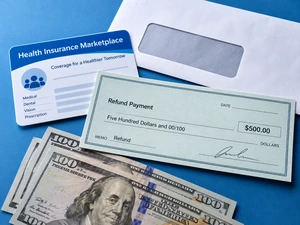
Nearly 1 Million Obamacare Enrollees Are Getting $500 Refund Checks Starting in October
Nearly 1 million people who bought Affordable Care Act coverage through HealthCare.gov without premium assistance...
Laura Bennett
Is your car insurance getting…expensive?
The team at FinanceBuzz believe they could help. Check out this free tool from FinanceBuzz to shop for better car insurance options in just a few clicks! You could be matched with top providers and save hundreds by switching!
Sponsored

Michael Jackson's Estate Seeks $9 Million as Paris Fights for $1.16 Million
Caption: Michael Jackson in a 1983 publicity photo. Credit: Matthew Rolston / Epic Records, Public...
Emily Carter

Calm Your Mind in Just 4 Minutes — Without Pills Or Meditation!
This device uses clinically proven vagus nerve stimulation to calm your body and mind naturally. It feels like a pleasant, light vibration on your neck and helps you relax FAST!
Sponsored

Selena's Brother Says He Was Owed 25% of Her Profits. He Is Suing Their Sister
Caption: Selena & Los Dinos in 1988. Credit: Unknown, Public Domain. Selena Quintanilla's brother says a...
Susan Blake

Diddy Sued for $100 Million. The Lawyer He Blames Could Not Get It Dismissed
Caption: Sean Combs in 2007. Credit: David Shankbone, via Wikimedia Commons, CC BY-SA 3.0. Sean ‘Diddy'...
Emily Carter

Up to 1 in 10 Medicare Advantage Members May Need a New Plan for 2027
A sizable group of Medicare Advantage members may have to choose new coverage for 2027...
Daniel Reeves

CDC Extends Ebola Travel Restrictions for Another 30 Days
The CDC has continued temporary U.S. travel restrictions tied to the 2026 Ebola outbreak for...
Erin Calloway

Canadian Whisky, Dairy and Some Motorcycles Will Be Banned From U.S. Imports Sept. 29
Some Canadian whisky, dairy products and motorcycles will be barred from entering the United States...
Thomas Hale