The Toll-Text Scam Hitting Your Phone Right Now
By Ryan Ellis. Feb 20, 2026
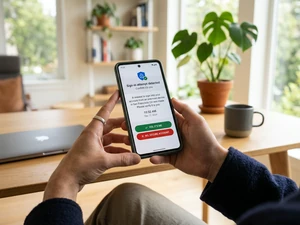
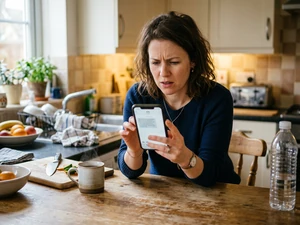
Your phone buzzes. A text arrives: “E-ZPass toll balance due: $3.95. Pay now to avoid late fees and registration suspension.” The message includes a link. It looks official. The amount seems reasonable.
But you haven’t driven a toll road recently. And the link, if you click it, doesn’t lead to a legitimate payment portal. It leads to a fake website designed to capture your personal and financial information. These scams are exploding because they exploit our daily routines and our trust in familiar systems.
According to cybersecurity research from Saving Advice, toll-text and Amazon scams are among the fastest-growing fraud schemes in 2026. They work because they target common behaviors-driving, shopping, package deliveries-that are so routine that we often act without thinking.
How the Scam Works
The mechanics are straightforward but effective. Scammers send SMS messages that impersonate legitimate services: E-ZPass, FasTrak, USPS, Amazon, or even state DMVs. The fake texts include official-looking logos and realistic payment warnings.
Many scam websites now closely resemble official portals, which means a quick visual check isn’t enough. The messages often include unusual instructions: “Reply Y to activate payment,” or “Reopen this message to complete verification.” These tactics are designed to bypass smartphone spam filters and convince users to interact with the message.
The report found that scammers are no longer relying on obvious spelling mistakes or generic greetings. Today’s fraud operations use realistic company names, government agency logos, and cloned website designs that make quick verification nearly impossible.
What to Do If You Get a Scam Text
If you receive an unexpected payment alert-whether for tolls, packages, or account issues-the safest approach is to never click the link in the message.
Instead, manually open your browser and type the official website address directly. Log into your account through the legitimate site. Check your actual account status. If there’s a legitimate charge you’re unaware of, you’ll find it there.
The Federal Trade Commission recommends forwarding suspected scam texts to 7726 (SPAM), which helps mobile carriers identify and block malicious campaigns. You can also report fraudulent texts through ReportFraud.ftc.gov.
Why These Scams Are Effective
Toll-text scams typically claim small balances-$3.95, $7.40-amounts that feel negligible and don’t trigger skepticism. Amazon package scams often claim a failed delivery or request address verification. USPS impersonations threaten package holds or customs delays.
Older adults are being heavily targeted because many rely on text alerts for deliveries, banking, and account notifications. But these scams are effective across all age groups because they exploit routines everyone shares.
The safest approach is the simplest: never click links in unexpected texts, even when the message appears urgent or official. Take the extra minute to independently verify the message through official channels.
Scammers are counting on speed and panic. They want you to act in the moment without verification. By slowing down-forwarding the text to SPAM, checking your actual account, or calling the official customer service number-you remove the advantage scammers depend on. The technology behind these scams has become sophisticated, but your defense can be straightforward.
References: 10 Toll Text And Amazon Scams Exploding In 2026 | Texts About Tolls Are Almost Always Scams How To Tell A2954184895 | How Spot And Avoid Toll Road Payment Scam Texts

The News And Beyond team was assisted by generative AI technology in creating this content
Trending